The Voices Behind the Genius: How Rob Paulsen and Maurice LaMarche Made Animation History One Narf at a Time

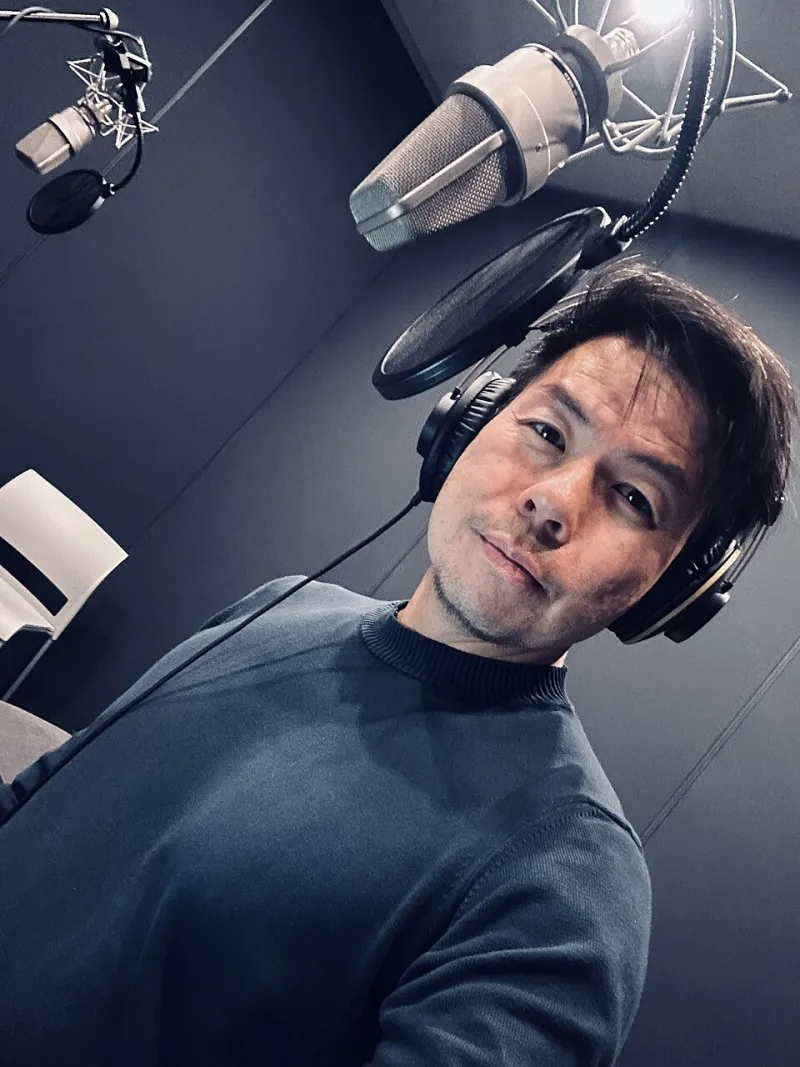
Photo: CaptainChaosDunDunDun, CC BY-SA 4.0, via Wikimedia Commons
Let's be honest. You could write the funniest cartoon script in history, pack it with sharp gags and razor-wit dialogue, and it would still fall completely flat without the right voices bringing it home. Pinky and the Brain understood this better than almost any animated series before or since. The show's writers handed two voice actors a golden premise — a megalomaniacal mouse and his gloriously dim companion plotting world domination from a genetics lab — and Rob Paulsen and Maurice LaMarche proceeded to absolutely demolish it. In the best possible way.
What followed was one of the most celebrated voice acting partnerships in American animation. And yet, for all the love the show gets on social media and streaming platforms, the craft behind those performances doesn't always get its due. So let's fix that.
The Method Behind the Madness
Maurice LaMarche has never been shy about where Brain's iconic delivery comes from. The character's clipped, theatrical cadence — that precise, slightly exasperated baritone — is a loving riff on Orson Welles. Specifically, LaMarche drew from a notorious 1970s outtake reel in which Welles, recording a frozen pea commercial, grows increasingly irritated with the direction he's receiving. The result is a performance so layered it works on multiple levels simultaneously: funny to kids because Brain sounds pompous, and even funnier to adults who recognize the Welles DNA embedded in every syllable.
LaMarche didn't just do an impression, though. He built a character on top of that vocal foundation. Brain's genius is always undercut by his blind spots, and LaMarche understood that the comedy lived in the gap between how seriously Brain takes himself and how little the universe cooperates with his plans. Every line reading had to carry that tension — the grandeur and the futility, all at once.
Narf, Poit, and the Art of Nonsense
If LaMarche was playing chess, Rob Paulsen was playing a game nobody had invented yet — and winning.
Pinky is, on paper, a difficult character to sustain. He's cheerful, scattered, and catastrophically unhelpful. In lesser hands, he'd be grating within five minutes. What Paulsen accomplished was something genuinely rare: he made Pinky's chaos feel warm. There's a generosity in the performance, an almost childlike delight in everything, that keeps the character from tipping into annoyance. Pinky isn't dumb so much as he's operating on a completely different frequency from everyone else — and Paulsen found that frequency and planted a flag there.
Then there are the catchphrases. "Narf." "Poit." "Zort." These aren't words. They're not even sounds that mean anything. And yet they became part of the American pop culture vocabulary, which is an extraordinary achievement when you stop to think about it. Paulsen has talked in interviews about how many of those verbal tics emerged organically during recording sessions, born from the kind of loose, playful energy that happens when two performers genuinely trust each other. The writers would often incorporate Paulsen's in-booth riffs into the final script, creating a feedback loop between performance and page.
Chemistry That Can't Be Faked
Here's the thing about great comedy duos: the timing only works if both performers are genuinely listening to each other. Paulsen and LaMarche had that in spades.
Watch — or rather, listen — to any extended exchange between Pinky and Brain and you'll notice how the rhythm shifts depending on the emotional beat. When Brain is monologuing about his latest scheme, Paulsen's Pinky interjects with exactly the right amount of well-meaning wrongness. When Pinky is cheerfully derailing everything, LaMarche's Brain absorbs the chaos with a barely-contained fury that's funnier than any punchline could be. It's a push-pull dynamic that never gets tired because both performers were committed to the truth of their characters, not just the jokes.
LaMarche has described recording sessions as genuinely collaborative, with producer Tom Ruegger and the writing staff encouraging the actors to find the moments rather than simply execute them. That freedom shows up on screen — or rather, in your speakers — in ways that are hard to quantify but impossible to miss.
The Legacy of a Laugh
Decades after Pinky and the Brain first aired on Animaniacs and then launched into its own series, both Paulsen and LaMarche continue to work extensively in animation and voice acting. Paulsen, of course, is also beloved for voicing Raphael in the original Teenage Mutant Ninja Turtles and a staggering number of other roles. LaMarche's credits span everything from Futurama to The Real Ghostbusters. Both are, by any reasonable measure, legends of their craft.
But ask most fans which roles define them, and you already know the answer.
What Paulsen and LaMarche built with Pinky and Brain wasn't just a funny show. It was a masterclass in how vocal performance can elevate material from good to immortal. The scripts were sharp, sure. The animation was inventive. But without those two voices — without the Welles-inflected gravitas meeting the warm, nonsense-spouting chaos — Pinky and the Brain would be a footnote instead of a phenomenon.
So the next time you find yourself muttering "Narf" under your breath or asking someone what they want to do tonight, take a second to appreciate the two guys in a booth who made those words mean something.
They were, in their own way, trying to take over the world. And they pretty much succeeded.